Cattle Varieties and Jersey Cattle Characteristics
Cattle have been an essential part of agriculture for thousands of years, providing humans with milk, meat, leather, and labor. Over time, numerous cattle varieties have been developed to meet the needs of different climates, regions, and farming systems. These breeds are categorized primarily into dairy, beef, draught, and dual-purpose varieties. Among the numerous breeds of cattle, Jersey cattle characteristics stand out due to their excellent milk production, docile temperament, and high adaptability.
Cattle Varieties: An Overview
Cattle are classified into several types based on their primary purpose: dairy cattle, beef cattle, dual-purpose cattle, and draught cattle. Each of these categories has breeds that are specifically adapted for the region, climate, and farming practices they are raised in.
1. Dairy Cattle Breeds
Dairy cattle are specifically bred for high milk production. These cattle varieties tend to have a more refined build, and their focus is on producing large quantities of milk with good fat content.
- Holstein: Known for their large size and high milk yield, Holsteins are the most common dairy breed worldwide. However, their milk tends to be lower in butterfat compared to other breeds.
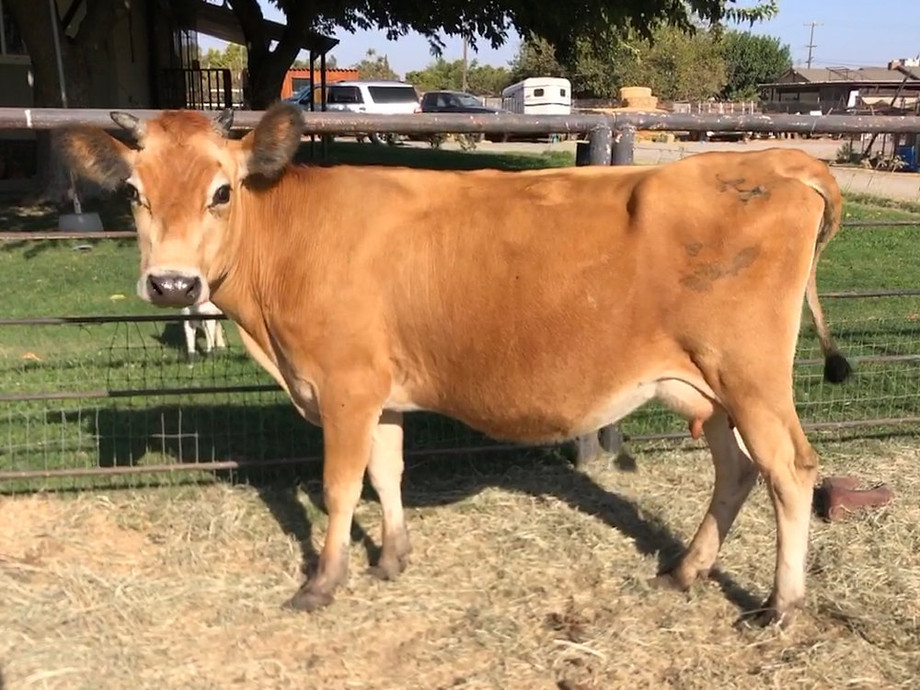
- Jersey: Jersey cattle characteristics are remarkable, as they are smaller but produce milk with higher butterfat and protein content, making them ideal for cheese, butter, and cream production.
- Ayrshire: These cows are known for their strong milk production and adaptability to different farming systems.
- Guernsey: Guernseys are prized for their rich, golden milk, which has a high butterfat content.
2. Beef Cattle Breeds
Beef cattle are primarily raised for meat production. These varieties tend to have a muscular build, efficient growth rates, and high-quality meat.
- Angus: This breed is known for its excellent meat quality, particularly its marbling, which leads to tender, flavorful beef.
- Hereford: Herefords are prized for their docile nature and efficient meat production.
- Charolais: A French breed known for its rapid growth and large size, producing high-quality beef.
- Simmental: These cattle are versatile and known for both milk and meat production.
3. Dual-Purpose Cattle Breeds
Some cattle breeds are raised for both milk and meat. These dual-purpose cattle varieties offer a balance between milk production and meat quality.
- Shorthorn: Known for both dairy and beef qualities, Shorthorns are often used in crossbreeding to improve both milk and meat yields.
- Devon: A British breed prized for both milk and beef production.
4. Draught Cattle Breeds
Draught cattle are used primarily for labor, such as plowing fields or pulling carts. These breeds are typically strong and sturdy.
- Zebu: These cattle are known for their resistance to heat and are used as draught animals in tropical climates.
- Kankrej: A breed from India that serves as both a dairy and draught cattle, providing milk as well as working power.
Jersey Cattle Characteristics: Why They Stand Out
The Jersey cattle characteristics make them one of the most valued breeds for dairy farming, particularly in regions where milk quality is a priority. Originating from the Isle of Jersey in the Channel Islands, Jersey cattle are known for their efficiency, high-quality milk, and gentle temperament.
Key Jersey Cattle Characteristics:
-
Size and Build:
- Jersey cattle are small compared to other dairy breeds. Adult cows typically weigh between 400 to 500 kg (880 to 1100 lbs), making them more manageable on smaller farms. Their compact size contributes to their efficiency, as they require less feed and produce high-quality milk in proportion to their size.
- Despite their small stature, Jerseys are known for their strong and healthy frame, with a refined build that allows for efficient milk production.
-
High-Quality Milk:
- One of the most distinctive Jersey cattle characteristics is their milk. Although they produce a smaller quantity of milk compared to larger breeds like Holsteins, their milk is rich in butterfat and protein. Jersey milk is often preferred for making premium dairy products such as cream, butter, and cheese.
- The butterfat content of Jersey milk can exceed 5%, which is significantly higher than the average for other dairy breeds. This makes Jerseys particularly valuable for dairy operations focused on producing high-fat dairy products.
-
Milk Composition:
- In addition to high butterfat content, Jersey milk has higher protein levels, making it ideal for cheese-making. The combination of high butterfat and protein ensures that the milk from Jerseys is highly sought after in both artisanal and commercial dairy production.
-
Temperament and Behavior:
- Jersey cattle are known for their friendly and calm nature. This makes them easier to handle and less prone to stress, a desirable trait for both small and large dairy farms. Their docile temperament is one of the reasons Jersey cattle are often chosen for family farms or smaller operations.
- The gentle nature of Jerseys also means that they are easier to manage during milking and general care, reducing the likelihood of injuries to the cows or the handlers.
-
Adaptability:
- One of the most important Jersey cattle characteristics is their adaptability. Jerseys perform well in a variety of climates, from temperate to subtropical regions. They are better suited to warmer climates than larger dairy breeds, thanks to their smaller size and thinner coat.
- Jerseys are also efficient grazers and thrive on a variety of forages, making them an excellent choice for pasture-based farming systems.
-
Longevity and Reproductive Efficiency:
- Jersey cattle are known for their reproductive efficiency, often calving at a young age and maintaining high fertility throughout their lives. Their calving intervals tend to be shorter, which means that they can remain productive for a longer period compared to other dairy breeds.
- Additionally, Jerseys are known for their longevity in dairy production. With proper care, Jersey cows can remain productive for up to 8-10 years, providing years of milk and profitability to dairy farmers.
-
Color and Appearance:
- Jersey cattle are typically light to dark brown, with a white face and dark eyes. Some individuals may have a golden or reddish hue, but all Jerseys tend to have a fine, short coat that is well-suited to warmer climates.
- Their overall appearance is elegant and refined, contributing to their appeal as both a productive and aesthetically pleasing breed.
-
Economic Importance:
- Due to their high butterfat content and efficient feed-to-milk conversion, Jersey cattle are often used in crossbreeding programs to improve the milk production of other breeds. Their ability to add value to the milk production of other cattle makes them an important genetic resource in dairy farming.
Conclusion
In conclusion, cattle varieties differ widely in terms of size, milk and meat production, and adaptability to various climates. Among these varieties, Jersey cattle characteristics make them an outstanding breed for dairy farming. Their small size, high milk quality, and efficient feed conversion make them particularly valuable for farmers who prioritize premium dairy products. Whether for their high butterfat content or their friendly temperament, Jersey cattle are one of the most versatile and prized breeds in the world of dairy farming.
By understanding the different cattle varieties and the unique Jersey cattle characteristics, farmers can make informed decisions about which breed best fits their farming system and meets their production goals. Jersey cattle, with their proven adaptability, efficiency, and premium milk, continue to be a top choice for dairy producers around the globe.

Comments
Post a Comment