Discovering Indian Zebu Breeds: The Heritage of Indigenous Zebu Cattle
The indigenous Zebu cattle of India, renowned for their resilience and unique characteristics, have been integral to the agricultural landscape for centuries. Known for their distinct hump, Zebu cattle are not just symbols of tradition but also vital contributors to sustainable farming. As the demand for eco-friendly agricultural practices grows, the focus on breeding indigenous Zebu cattle has gained significant traction.
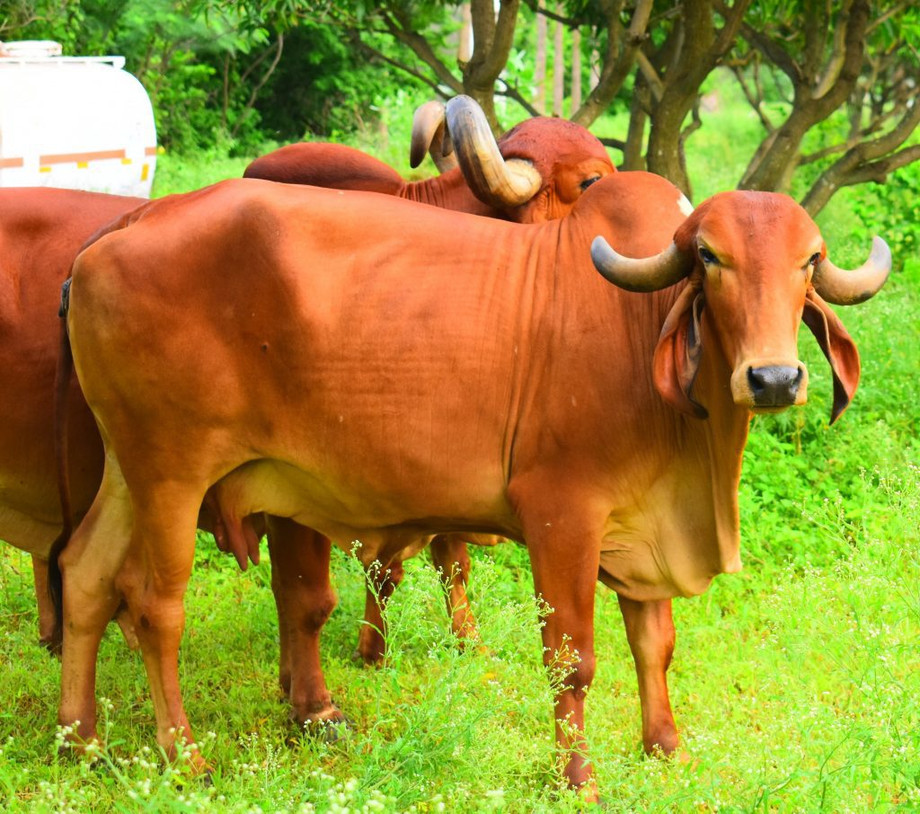
Understanding Indian Zebu Breeds
Indian Zebu breeds are adapted to the harsh climatic conditions of the Indian subcontinent. These cattle have evolved to thrive in hot, humid environments and have a natural resistance to many local diseases. Popular breeds like Gir, Kankrej, and Ongole have earned recognition for their strength, endurance, and milk production capacity. These breeds are known for their ability to survive in minimal resources, making them ideal for small-scale and organic farming communities.
The Benefits of Indigenous Zebu Cattle
The benefits of indigenous Zebu cattle extend beyond their adaptability. These cattle are low maintenance, requiring less intensive feeding and healthcare compared to other commercial breeds. Zebu cows produce milk that is rich in A2 protein, which is highly sought after for its nutritional benefits. Moreover, their dung and urine are often used as organic fertilizers and pesticides, contributing to more sustainable farming practices.
Their ability to resist local diseases means fewer chemical interventions like antibiotics, which supports healthier, more organic produce. For farmers, this resilience translates to lower costs and a reduced environmental impact.
Breeding Indigenous Zebu Cattle
Breeding indigenous Zebu cattle is not only an agricultural practice but also a cultural tradition in many regions of India. Farmers, alongside organizations like IFZCI (International Federation of Indigenous Zebu Cattle of India), are working towards preserving these invaluable breeds. The breeding of these cattle ensures that future generations can benefit from their unique traits, including drought resistance, disease resistance, and the ability to thrive in low-resource settings.
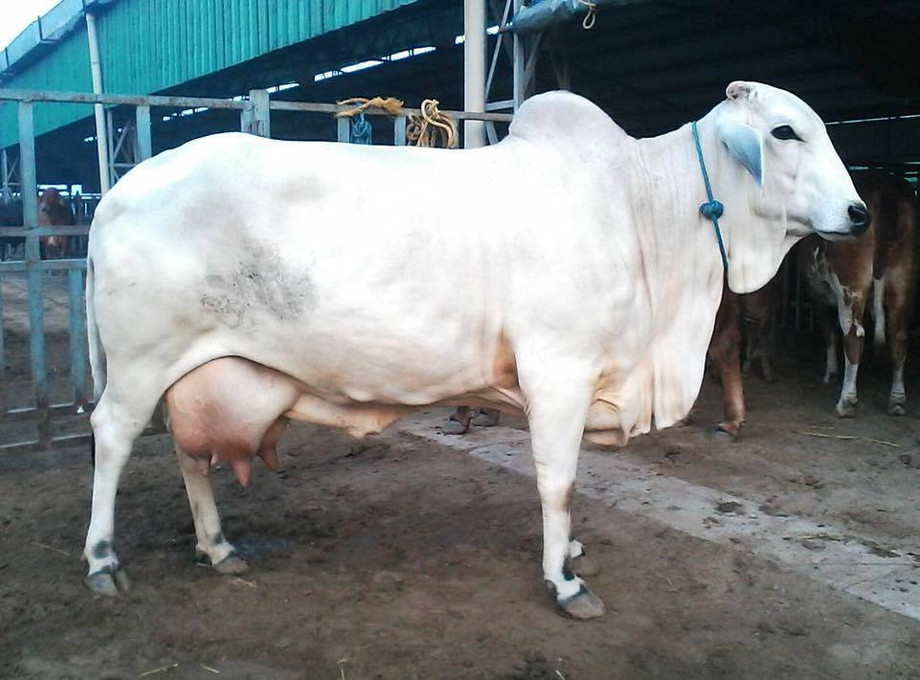
IFZCI plays a pivotal role in advocating for the preservation and sustainable breeding of indigenous Zebu cattle. By promoting knowledge about the unique qualities and advantages of these breeds, they aim to ensure the continuation of their legacy in agriculture, both in India and globally.
Indigenous Zebu Cattle Adaptability
One of the most remarkable traits of Zebu cattle is their adaptability to various climates and geographies. Whether facing the searing heat of India’s plains or the cooler environments of hill regions, Indigenous Zebu Cattle have demonstrated the ability to thrive. This adaptability is particularly important in the face of climate change, where the ability to cope with fluctuating temperatures and erratic weather patterns becomes vital for sustainable livestock farming. IFZCI emphasizes the role of Zebu cattle as a resilient breed in uncertain environmental conditions, advocating for their widespread use in sustainable farming practices.
Indigenous Zebu Cattle Milk Production
While Zebu cattle are not known for their high yield in comparison to some exotic breeds, their milk production is highly valued for its nutritional content. The Indigenous Zebu Cattle Milk Production tends to be rich in A2 beta-casein, a protein that is easier to digest and considered healthier for human consumption. This makes Zebu milk a sought-after product in both local markets and for individuals looking for natural, nutritious milk options. IFZCI encourages the promotion of Zebu milk as a premium, health-conscious alternative, while also supporting small farmers who rely on it for their livelihoods.
Diseases in Indigenous Zebu Cattle
While Indigenous Zebu Cattle are generally more resilient than other breeds, they are not entirely immune to disease. Common diseases in Indigenous Zebu Cattle include foot-and-mouth disease (FMD), black quarter, and various parasitic infections. However, their inherent genetic makeup provides them with greater resistance compared to many foreign breeds. IFZCI advocates for traditional veterinary practices and modern scientific methods to ensure that these diseases are managed effectively, preserving the health and productivity of Zebu herds across India.
Feeding Indigenous Zebu Cattle
Proper feeding is essential for maintaining the health, strength, and productivity of Zebu cattle. Feeding Indigenous Zebu Cattle often involves natural, locally available fodder, which supports the sustainable farming practices many small farmers rely on. These cattle can subsist on limited resources, making them ideal for resource-poor regions. However, providing a balanced diet with adequate nutrients ensures that they remain healthy and productive, particularly in milk production. IFZCI promotes education on improved feeding techniques to optimize the health and output of Zebu cattle.
Indigenous Zebu Cattle in Agriculture
Zebu cattle have long been a cornerstone of traditional Indian farming, playing key roles in plowing fields, transportation, and providing organic manure. The presence of Indigenous Zebu Cattle in Agriculture remains vital for sustainable and organic farming practices. Their contribution goes beyond milk and meat; their labor helps reduce reliance on mechanized farming methods and chemical fertilizers. By promoting the use of Zebu cattle in agriculture, IFZCI supports eco-friendly and sustainable farming practices that align with the needs of rural Indian communities.
Conclusion
Indian Zebu breeds are more than just cattle; they represent a sustainable way forward for the agricultural sector. From the benefits of indigenous Zebu cattle in organic farming to their role in enriching local ecosystems, these breeds continue to be invaluable assets. Through careful breeding and the support of organizations like IFZCI, the heritage of indigenous Zebu cattle will continue to flourish, benefiting farmers, consumers, and the environment alike.

Comments
Post a Comment